Choosing the right adhesive can make or break a classic car restoration. The best options give you strong panel-to-panel bonding, help reduce weld distortion, and support cleaner, more precise repairs.
In this roundup, we focus on body panel adhesive for classic cars that suits metal repairs, trim fixes, seam sealing, and restoration work where durability and fit matter most.
Best 10 Body Panel Adhesive for Classic Cars Picks for 2026
OEM Panel Bonding Choice
3M Panel Bonding Adhesive 08115

- OEM-recommended two-part epoxy
- Bonds steel, aluminum, SMC, fiberglass
- 90-minute working time; weld/rivet friendly
Best For: Classic car panel replacement and non-structural repairs
Interior Trim Repair Pick

- Heat-resistant formula for interiors
- Bonds fabric, leather, foam-backed materials
- Dries clear with flexible cure
Best For: Roof liners, upholstery, and interior trim repairs
Quick-Set Gap Filler
J-B Weld Plastic Bonder Syringe
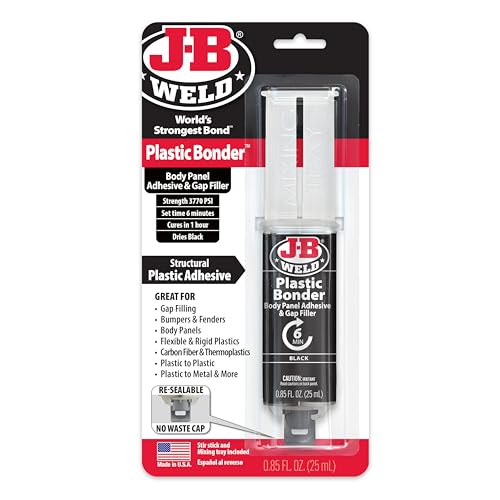
- Sets in 15 minutes; sands in 30
- Works on composites, thermoplastics, coated metals
- Black, hard-curing gap filler
Best For: Small repairs and fast-setting gap filling
High-Strength Replacement Bond

- Bonding urethane for steel and aluminum
- Made for quarter panels, roofs, door skins
- Self-sealing; includes 2 mixing nozzles
Best For: Large exterior panel replacement on metal bodywork
Seam & Leak Seal
Professional Waterproof Body Sealant

- Bonds to primed, painted, or bare metal
- Paint-ready in about 30 minutes
- Waterproof and flexible for seams
Best For: Classic car seam sealing and leak prevention
Panel Bond Pick
Urethane Adhesive for Large Panels

- Two-part urethane for steel and aluminum
- Built for quarter panels, roofs, and door skins
- Includes two mixing nozzles
Best For: Large classic car panel replacement jobs
Black Seam Guard

- Black seam sealer for bodywork finishing
- Bonds to primed, painted, or bare metal
- Waterproof and ready for paint fast
Best For: Black-finish seam sealing on restoration work
Heavy-Duty OEM Replacement
Buck Panel Bonding Adhesive, 400 ml

- OEM-recommended replacement for 08115-style repairs
- Bonds steel, aluminum, plastic, fiberglass, and composite panels
- Room-temperature cure with 3 mixing nozzles included
Best For: Classic car restorations needing a strong, OEM-style panel adhesive
Long Work-Time Pick
Panel Bonding Adhesive, 200 mL

- 90-minute working time for careful panel alignment
- Corrosion-resistant epoxy for auto body repairs
- Works with metal, plastic, fiberglass, and composite surfaces
Best For: Panel repairs that need extra setup time for precise alignment
Large-Cartridge Value Option
Panel Bonding Adhesive, 400 mL

- 400 mL cartridge for larger panel repair jobs
- 90-minute working time with 24-hour cure
- Corrosion-resistant formula for metal and composite panels
Best For: Bigger restorations needing more adhesive in a single cartridge
OEM Panel Bonding Choice – 3M Panel Bonding Adhesive 08115
If you need a body panel adhesive for classic cars that is meant for real panel repair work, this 3M two-part epoxy is built for bonding metal and composites on properly prepared surfaces. It is a practical option for non-structural jobs like quarter panels, roofs, and door skins, especially when you want a permanent, rust-resistant bond instead of a weld-only approach.
Best For: Classic car panel replacement and non-structural body repairs where OEM-style bonding is preferred.
Pros:
- OEM-recommended two-part epoxy for body panel bonding
- Bonds steel, aluminum, SMC, and fiberglass on prepared surfaces
- 90-minute working time helps with careful alignment
- Can be weld-bonded or rivet-bonded during work time
Cons:
- Applicator gun is not included
- Requires proper surface preparation for best results
- Full cure takes 24 hours at room temperature unless heat is used
For restoration work that follows panel-bonding best practices, this is the most conventional choice in the group. The longer work window and multi-material compatibility make it well suited to careful classic-car repairs where fitment matters.
Interior Trim Repair Pick – Headliner Glue for Cars
This body panel adhesive for classic cars is better suited to interior trim than outer sheet metal, but it is still useful for restoration projects that include sagging liners and loose panels. The flexible, heat-resistant formula is designed for fabric, leather, foam-backed materials, roof liners, door panels, and other interior repair jobs where a clean finish matters.
Best For: Classic car interior repairs, especially roof liners, upholstery, and trim that need a flexible bond.
Pros:
- Heat-resistant formula made for automotive interiors
- Bonds fabric, leather, foam-backed materials, and interior trim
- Cures with flexibility to help reduce cracking or lifting
- Dries clear for a neater finished look
Cons:
- Not intended for metal body panel bonding
- Best suited to interior materials rather than structural repairs
- Small bottle size may not suit larger projects
If your classic car needs a dependable interior adhesive instead of a metal panel epoxy, this is the more appropriate match. It focuses on flexible, heat-tolerant repairs that are easier to blend into an original-looking cabin.
Quick-Set Gap Filler – J-B Weld Plastic Bonder Syringe
J-B Weld 50139 Plastic Bonder Body Panel Adhesive and Gap Filler Syringe - Black - 25 ml
Check Price On AmazonFor smaller body panel adhesive for classic cars jobs, this quick-set two-part urethane is useful where you need a fast repair and a sandable finish. It is designed for composites, thermoplastics, coated metals, and more, and its black color can help it disappear better on darker repair areas.
Best For: Small repairs, gap filling, and fast-setting bonding on compatible parts.
Pros:
- Sets in 15 minutes and can be sanded after 30 minutes
- Works on thermoset, carbon fiber composites, thermoplastics, and coated metals
- Acts as a gap filler with a hard, permanent bond
- Black color can be useful on dark parts and repairs
Cons:
- 25 mL syringe is small for larger bodywork projects
- More of a quick repair adhesive than a full panel-bonding system
- Not specifically described as an OEM-style panel adhesive
This is a strong pick when the job calls for speed, sanding, and localized repair rather than full panel replacement. For classic-car owners handling small fixes, the fast cure time is the standout feature.
High-Strength Replacement Bond – Polymix Metal Panel Bond 60
If you want a body panel adhesive for classic cars that is aimed directly at panel replacement, this two-part urethane is built for bonding steel and aluminum. It is positioned for jobs like quarter panels, roofs, box sides, van sides, utility vehicle sides, and door skins, making it a serious option for restoration work that avoids traditional welding.
Best For: Large exterior panel replacement on steel or aluminum classic-car bodywork.
Pros:
- Designed to bond steel and aluminum panels
- Intended for quarter panels, roofs, and door skins
- Self-sealing adhesive reduces the need for sealers
- Cartridge format includes two mixing nozzles
Cons:
- Not water resistant according to the supplied specs
- Does not include the broader material compatibility of some competitors
- Requires proper prep and mixing for best panel-bonding results
This is a focused panel-bonding adhesive for restoration tasks where steel-to-steel or steel-to-aluminum bonding is the priority. Its self-sealing design and panel-replacement intent make it especially relevant for classic-car body work.
Seam & Leak Seal – Professional Waterproof Body Sealant
If you want body panel adhesive for classic cars that also helps seal seams and prevent leaks, this professional-grade seam sealer is a practical pick. It bonds to primed, painted, or bare metal and cures fast enough to be paint-ready in about 30 minutes, which is helpful for restoration jobs where downtime matters.
Best For: Sealing body seams, filling gaps, and protecting restored metalwork from rust and water intrusion.
Pros:
- Bonds to primed, painted, or bare metal surfaces.
- Fast curing and paintable in about 30 minutes.
- Waterproof, flexible, and designed not to shrink or crack.
- Compatible with standard urethane caulk guns for easier application.
Cons:
- Better suited to sealing and gap filling than structural panel bonding.
- White color may not be ideal if you want a hidden finish before paint.
This is a strong fit for classic car work where seam sealing and corrosion prevention matter as much as adhesion. It is not a dedicated panel-bonding adhesive, but it is well aligned with body panel sealing tasks on restored vehicles.
Panel Bond Pick – Urethane Adhesive for Large Panels
For body panel adhesive for classic cars, this two-part urethane is the most direct match in the group because it is specifically made to bond steel and aluminum. It is intended for major exterior panel work such as quarter panels, roofs, box sides, van sides, utility vehicle sides, and door skins.
Best For: Replacing or bonding larger metal body panels on restoration and repair projects.
Pros:
- Two-part urethane designed to bond steel and aluminum.
- Made for panel replacement jobs like quarter panels and door skins.
- High tensile strength listed at 3335.86 PSI.
- Includes two application mixing nozzles.
Cons:
- Best suited to metal-to-metal panel bonding rather than seam sealing.
- Requires cartridge mixing and application hardware.
If your classic car project involves structural-style panel replacement, this is the most purpose-built choice here. Its panel-bond focus and high-strength urethane formula make it better suited to large bonded repairs than general-purpose sealing.
Black Seam Guard – Paintable Auto Repair Sealant
If you need body panel adhesive for classic cars that blends in better after repairs, this black seam sealer is a useful option. It bonds to primed, painted, or bare metal, cures quickly, and is designed for waterproof auto body repair and rust or leak prevention.
Best For: Black-finish seam sealing and gap filling on restored bodywork.
Pros:
- Bonds to primed, painted, or bare metal surfaces.
- Paintable and ready in about 30 minutes.
- Waterproof, flexible, and resistant to shrinking or cracking.
- Includes tube, tip, and gloves for application.
Cons:
- Like other seam sealers, it is not described as a structural panel-bond adhesive.
- Best for sealing and finishing rather than attaching major replacement panels.
This option makes sense when you want the same practical sealing benefits in a black color. For classic car restoration, it is especially handy where a darker seam finish is preferable before paint or in less visible areas.
Heavy-Duty OEM Replacement – Buck Panel Bonding Adhesive, 400 ml
If you need body panel adhesive for classic cars that can handle structural-style panel work, this Buck two-part epoxy is built for serious repair jobs. It is positioned as an OEM-recommended replacement for 3M Panel Bonding Adhesive 08115 and is suited to bonding metal, plastic, fiberglass, composite panels, and more.
Best For: Classic car restorations and panel repairs that need a strong, OEM-style replacement adhesive.
Pros:
- Two-part epoxy formula for strong, long-lasting panel bonds.
- Compatible with steel, aluminum, plastic, fiberglass, and composite panels.
- Cures at room temperature with no extra heat source needed.
- Includes 3 static mixing nozzles for cleaner application.
Cons:
- Requires a compatible dispensing tool for the 400 ml cartridge.
- Black adhesive may not suit visible repairs that need color matching.
This is a practical pick for restorers who want a heavy-duty adhesive with broad material compatibility and a fast 45-minute full cure time. Its room-temperature cure and corrosion resistance make it especially useful for steady garage work on older vehicles.
Long Work-Time Pick – Panel Bonding Adhesive, 200 mL
For body panel adhesive for classic cars where careful alignment matters, this two-part epoxy gives you a long working window and corrosion resistance. It is designed for auto body panel repair on quarter panels, roofs, door skins, roof skins, van sides, and other non-structural metal body panels.
Best For: Restorers who want extra working time for precise alignment on panel repairs.
Pros:
- 90-minute working time helps with careful positioning.
- Designed for metal, plastics, fiberglass, and composite materials.
- Excellent corrosion resistance for automotive repairs.
- Full cure time is 24 hours at 77°F or above.
Cons:
- 200 mL cartridge is smaller than some alternatives.
- Requires a 1:1 ratio epoxy gun, which is not included.
This is a solid choice if your classic car repair needs more time to fit panels accurately before clamp-up. Just keep in mind the cartridge size and the need for a separate dispensing gun.
Large-Cartridge Value Option – Panel Bonding Adhesive, 400 mL
If you want body panel adhesive for classic cars in a larger cartridge, this 400 mL two-part epoxy matches the same repair-focused formula with more material on hand. It is made for bonding quarter panels, roofs, door skins, roof skins, van sides, and other non-structural metal body panels.
Best For: Bigger panel jobs and restorations that benefit from a larger 400 mL cartridge.
Pros:
- 400 mL cartridge offers more adhesive for larger repairs.
- Works on steel, aluminum, plastics, fiberglass, and composite materials.
- 90-minute working time supports accurate positioning.
- Excellent corrosion resistance for automotive use.
Cons:
- Requires a compatible epoxy gun, and size must match the cartridge.
- Not recommended for PP, PE, or POM materials.
This version is best if you expect to cover more surface area or want fewer cartridge swaps during a restoration. The tradeoff is the need to verify gun compatibility before buying.
How We Picked the Best Body Panel Adhesive for Classic Cars
For classic car use, we prioritized bond strength, compatibility with metal and composites, cartridge format, working time, and whether the adhesive supports structural body repair. We also considered cure speed, gap-filling ability, and whether the product is better suited to bonding, sealing, or interior trim tasks.
Quick Comparison
Structural panel adhesives are the best fit when you need high-strength bonding on quarter panels, patches, and non-spot-welded repairs. Seam sealers are better for water intrusion and corrosion control. Upholstery and headliner adhesives belong in interior restoration, not structural panel attachment. Choosing the right chemistry saves time and avoids failed repairs.
Key Buying Factors for Body Panel Adhesive for Classic Cars
Bond Type
Two-part epoxy panel adhesives are generally the most versatile choice for exterior body repairs. They offer better strength and gap control than general-purpose glues, and they are more appropriate for restoration work on steel and composite panels.
Open Time and Cure Time
Classic car bodywork often involves alignment adjustments. A longer working time helps you position panels accurately before the adhesive sets. Faster-curing options are useful for smaller jobs, but they leave less room for correction.
Material Compatibility
Make sure the adhesive is rated for metal, fiberglass, or composite materials as needed. If you are working on mixed-material restorations, compatibility matters as much as raw strength.
Gap Filling and Sealing
Some products are designed to bridge small gaps, while others are mainly for close-fitting surfaces. For rust repair and patching, gap-filling performance can be a major advantage. For seams and leak protection, a dedicated seam sealer is usually the better choice.
Application Format
Cartridge systems with mixing nozzles are convenient and help deliver consistent ratios. Smaller syringes work well for spot repairs, while larger cartridges are better for repeated bodywork tasks.
Who Should Buy Which Body Panel Adhesive for Classic Cars?
If you are doing structural-style panel bonding on a restoration project, choose a high-strength two-part panel adhesive. If your goal is interior trim or roof liner repair, use a product made for upholstery and headliners. If you need to stop moisture at joints or repair seams, a waterproof seam sealer is the smarter pick.
For most restorers, the best Body Panel Adhesive for Classic Cars is the one that matches the repair type first and the brand second. Focus on strength, working time, and material compatibility, and you will get a cleaner, longer-lasting result.