Sanding dust can quickly cloud your workspace, shorten tool life, and create unnecessary cleanup. The right extractor captures fine particles at the source while giving you enough airflow, capacity, and mobility for your projects.
We’ve compared 10 dust extractors for sanding across professional jobsite vacuums, portable workshop models, and larger dust collectors to help you find the best fit for your tools and workspace.
Best 10 Dust Extractors for Sanding Picks for 2026
Industrial HEPA Power
3M Xtract Portable Dust Extractor

- 9-gallon capacity with two class H HEPA cartridges
- Automatic filter cleaning without stopping airflow
- Works with pneumatic and electric sanders
Best For: Industrial sanding and professional dust control
High-Volume Shop Collection

- 7.4-amp motor delivers up to 600 CFM
- 15-gallon 5-micron collection bag
- Mobile base and optional wall mount
Best For: Woodworking shops with larger dust-producing tools
Quiet Portable HEPA

- 157 CFM maximum fan airflow
- HEPA filtration with automatic filter cleaning
- Three power levels and adjustable airflow
Best For: Indoor sanding with compatible electric or pneumatic sanders
Compact Shop Value
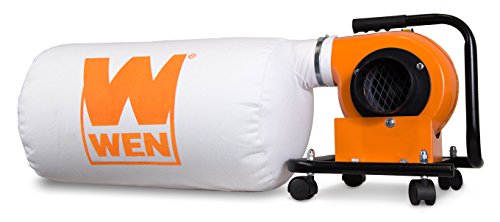
- 660 CFM airflow from a 5.7-amp motor
- 12-gallon, 5-micron collection bag
- Lightweight design with casters and wall-mount option
Best For: Compact woodworking shops and mobile dust collection
Best HEPA Jobsite Pick
DEWALT DWV010 HEPA Dust Extractor
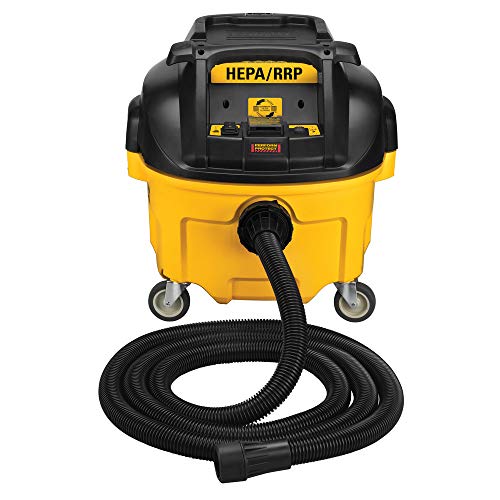
- Automatic filter cleaning every 30 seconds
- 150 CFM airflow with HEPA filtration
- Power-tool actuation and 15-foot antistatic hose
Best For: Portable sanding and renovation work
Best Budget Shop Option
Grizzly Industrial G8027 Dust Collector

- 1 HP, 110V motor with 8-amp draw
- Portable two-wheel design
- Built for sanders, router tables, and shapers
Best For: Small shops and woodworking equipment
Best OSHA-Focused Choice
Bosch VAC090AH 9-Gallon Dust Extractor

- Auto-cleans the filter every 15 seconds
- HEPA filtration captures 99.97% at 0.3 microns
- 150 CFM airflow with adjustable suction
Best For: Professional sanding and grinding work
Portable High-Capacity Pick
DYNAVEX 12-Gallon Dust Extractor

- 142 CFM airflow from a 1.5 HP motor
- 12-gallon steel collection tank
- 0.5-micron HEPA filter and tool auto-start
Best For: Woodworking shops needing high capacity and portable dust collection
Heavy-Duty Auto-Clean Pick
Dapper Supply 10-Gallon Dust Extractor
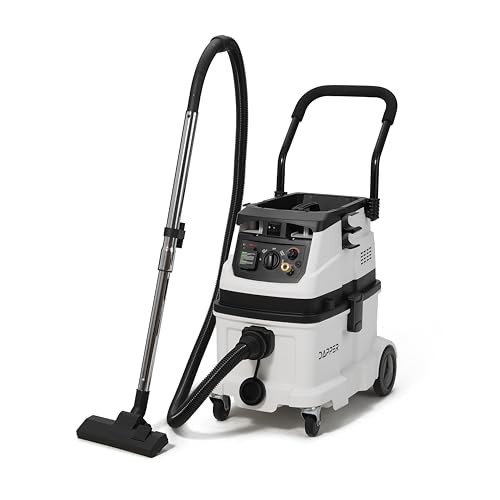
- 151 CFM airflow and 23 kPa suction
- Automatic HEPA filter cleaning every 20 seconds
- Wet/dry operation with tool auto-start
Best For: Extended sanding and jobsite use where strong airflow and filter maintenance automation matter
Long-Reach Compact Pick
Dapper Supply 8-Gallon Dust Extractor

- 140 CFM airflow and 20 kPa suction
- Automatic HEPA filter cleaning every 25 seconds
- Long 13.1-foot hose and 19.7-foot cord
Best For: Mobile workshop and jobsite sanding where reach and lower weight are priorities
Industrial HEPA Power – 3M Xtract Portable Dust Extractor
For demanding sanding work, the 3M Xtract Portable Dust Extractor is a strong option among dust extractors for sanding. Its 9-gallon capacity, HEPA filtration, automatic filter cleaning, and compatibility with pneumatic and electric sanders make it suited to industrial environments.
Best For: Metal fabrication, primer sanding, composite work, woodworking, and other industrial sanding applications.
Pros:
- Includes two class H HEPA filter cartridges and a conductive hose.
- Automatic filter cleaning operates without stopping airflow.
- Automatic on/off compatibility works with pneumatic and electric sanders.
- Compact, sturdy design is built for harsh industrial conditions.
Cons:
- Designed for industrial or occupational use rather than consumer applications.
- At 75 dB, it may be relatively loud during operation.
This is the most purpose-built choice for users who need HEPA filtration and integrated sander compatibility in a portable industrial extractor. Its included accessories also make it a ready-to-use setup for professional sanding environments.
High-Volume Shop Collection – WEN 15-Gallon Dust Collector
The WEN DC3474 is a shop-oriented option among dust extractors for sanding, using a 7.4-amp induction motor and 9-inch impeller to move up to 600 CFM. Its 4-inch dust port, mobile base, and optional wall mount suit stationary woodworking tools and larger shop layouts.
Best For: Woodworking shops that need high-volume collection for compatible tools and flexible floor or wall placement.
Pros:
- Moves up to 600 CFM with a 7.4-amp induction motor.
- Large 15-gallon, 5-micron zippered collection bag.
- Mobile base with swivel casters supports shop transport.
- Can be mounted to a wall for accessible collection.
Cons:
- Its 4-inch dust port is intended for compatible woodworking tools rather than direct small-sander connections.
- At 41.1 pounds, it is less portable than compact extractors.
The DC3474 favors capacity and airflow over compact portability. It is a practical fit for a woodworking shop where the extractor can remain near larger tools or be mounted in a dedicated collection area.
Quiet Portable HEPA – 3M Xtract 157 CFM Extractor
The 3M Xtract 157 CFM Portable Dust Extractor combines a compact canister design with HEPA filtration and adjustable airflow. For users comparing dust extractors for sanding, its automatic filter cleaning and sander-compatible automatic start/stop provide convenient operation in indoor work areas.
Best For: Indoor sanding with 3M Xtract random orbital sanders and other compatible pneumatic or electric sanders.
Pros:
- Provides up to 157 CFM airflow at the fan.
- HEPA filter supports fine-dust collection.
- Automatic filter cleaning works without flow stoppage.
- Three power levels and adjustable airflow offer control for different tasks.
Cons:
- Its 35-liter capacity is smaller than the 15-gallon WEN collector in this roundup.
- It is corded, so placement depends on access to a power outlet.
This model is a focused choice for portable sanding setups that benefit from HEPA filtration and adjustable airflow. Its 69 dB noise rating is also lower than the larger 3M industrial model listed here.
Compact Shop Value – WEN 12-Gallon Dust Collector
The WEN DC3401 offers a compact, mobile approach to dust collection, with a 5.7-amp motor, 660 CFM airflow, and a 12-gallon collection bag. It is worth considering among dust extractors for sanding when your workshop uses tools with a standard 4-inch dust port.
Best For: Smaller woodworking shops that want an easy-to-move collector with optional wall mounting.
Pros:
- Moves up to 660 CFM through its 6-inch impeller.
- 12-gallon, 5-micron zippered bag provides useful shop capacity.
- Lockable swivel casters and a carrying handle aid positioning and storage.
- Optional wall mount helps save floor space.
Cons:
- The 4-inch dust port may require suitable adapters or tool connections for sanding equipment.
- Its brushed motor is less industrially specified than the induction motor in the larger WEN model.
With a lighter 17-pound design and compact footprint, the DC3401 is easier to reposition than many full-size collectors. It is best suited to general woodworking dust collection rather than a dedicated HEPA sanding-extraction system.
Best HEPA Jobsite Pick – DEWALT DWV010 HEPA Dust Extractor
For contractors comparing dust extractors for sanding, the DEWALT DWV010 is a practical jobsite option with HEPA filtration, automatic filter cleaning, and power-tool actuation. Its 15-amp motor delivers 150 CFM, while the 15-foot antistatic hose and durable wheels support mobile work.
Best For: Portable sanding and renovation work where HEPA filtration and continuous operation matter.
Pros:
- Automatic filter cleaning pulses every 30 seconds to help maintain operation without frequent stops.
- HEPA filter and 150 CFM airflow support fine-dust collection.
- Power-tool actuation, swivel hose connector, and heavy-duty wheels improve jobsite convenience.
Cons:
- Its 80 dB noise level may be noticeable in enclosed work areas.
- HEPA compliance with the EPA RRP rule requires DWV9330 filters.
The DWV010 is a strong fit when portability, tool activation, and automated filter maintenance are higher priorities than low operating noise.
Best Budget Shop Option – Grizzly Industrial G8027 Dust Collector
The Grizzly G8027 is a compact, portable dust collector for shoppers seeking straightforward dust extractors for sanding. Its 1 HP, 110V motor is designed for sanders, router tables, and shapers, and its wheeled design makes it easier to move between work areas.
Best For: Small shops and jobsite users who need an affordable collector for woodworking machines.
Pros:
- 1 HP motor and 8-amp draw provide a dedicated dust-collection setup.
- Portable design with two wheels supports movement around the shop or jobsite.
- Designed to handle work that a regular shop vacuum may not manage as effectively.
Cons:
- Its bag filter is less specialized than the HEPA systems on the other listed extractors.
- The listed 4-inch intake is geared toward compatible woodworking equipment rather than small hand tools.
The G8027 makes the most sense for woodworking equipment and larger chips or debris, rather than applications requiring HEPA-level fine-dust filtration.
Best OSHA-Focused Choice – Bosch VAC090AH 9-Gallon Dust Extractor
The Bosch VAC090AH is a capable choice for dust extractors for sanding when sustained suction and fine-particle containment are priorities. It combines automatic filter cleaning every 15 seconds with a HEPA filter, fleece filter bag, 150 CFM airflow, and power-tool activation.
Best For: Professional sanding, grinding, and other dust-generating work requiring adjustable suction and a documented dust-control system.
Pros:
- Automatic filter cleaning helps maintain suction during extended use.
- HEPA filtration captures 99.97% of particles at 0.3 microns or larger.
- Power Broker suction adjustment and tool activation support different applications.
Cons:
- At 28 pounds, it is heavier than the DEWALT model listed here.
- Its wet/dry capability and larger capacity may be more than needed for occasional sanding.
The VAC090AH is the most feature-rich option in this group for users who value adjustable performance, automatic cleaning, and Bosch’s PRO+GUARD dust-collection approach.
Portable High-Capacity Pick – DYNAVEX 12-Gallon Dust Extractor
For shoppers comparing dust extractors for sanding, the DYNAVEX offers strong source capture in a portable, steel-bodied design. Its 1.5 HP motor produces 142 CFM of airflow, while the 0.5-micron HEPA filter helps capture fine particles from sanding, sawing, and routing.
Best For: Woodworkers who want a large-capacity extractor with tool-linked startup and easy mobility around a workshop or garage.
Pros:
- 12-gallon tank reduces the need for frequent emptying.
- 142 CFM airflow and 1.5 HP motor provide strong dust-collection performance.
- Auto-start outlet synchronizes the extractor with a connected power tool up to 550 watts.
- Includes a hose, adapters, clamps, replacement paper filters, and wheels.
Cons:
- The connected tool cannot exceed 550 watts.
- Continuous auto-start use is limited to one hour.
- Wheel installation is optional rather than preinstalled.
The DYNAVEX is a practical choice when capacity matters more than compactness. Its included adapters and HEPA filtration make it versatile for workshop sanding, though the auto-start limits should be checked against your tools.
Heavy-Duty Auto-Clean Pick – Dapper Supply 10-Gallon Dust Extractor
The Dapper Supply 10-gallon model is built for demanding dust extractors for sanding applications, including drywall, concrete, wood, and jobsite cleanup. Its 15A brushless motor delivers up to 151 CFM and 23 kPa of suction, while automatic filter cleaning helps maintain airflow during extended use.
Best For: Professional or serious DIY users who need wet/dry extraction, automatic filter cleaning, and broad jobsite tool compatibility.
Pros:
- 151 CFM airflow and 23 kPa suction support demanding dust-control tasks.
- Automatic filter cleaning runs every 20 seconds to reduce clogging.
- Tool auto-start supports connected tools up to 5.5A.
- Includes a 7.5-foot hose, 13-foot power cord, air-tool connector, and a two-year warranty.
Cons:
- At 39 pounds, it is heavier than the 8-gallon Dapper Supply model.
- The optional remote control is sold separately.
- The 1-1/4-inch hose may require adapters for some tools.
With multiple operating modes, overload protection, and a dust-indicator light, this extractor is suited to users who value monitoring and automation. Its larger footprint and weight favor a jobsite or workshop setup over highly portable sanding.
Long-Reach Compact Pick – Dapper Supply 8-Gallon Dust Extractor
For dust extractors for sanding in workshops and on active jobsites, this 8-gallon Dapper Supply model combines a smaller capacity with useful reach. Its 1200W motor provides up to 140 CFM airflow and 20 kPa suction, while automatic HEPA filter cleaning helps keep performance steady during operation.
Best For: Users who want wet/dry capability, tool-activated startup, and long hose and cord lengths in a relatively lightweight extractor.
Pros:
- Automatic filter cleaning clears the HEPA filter every 25 seconds.
- 13.1-foot hose and 19.7-foot power cord provide extended working reach.
- Tool auto-start supports connected tools up to 5.5A.
- At 31 pounds, it is lighter than the 10-gallon Dapper Supply model.
Cons:
- The 8-gallon tank offers less capacity than larger extractors.
- Its 1-1/4-inch hose may need an adapter for certain sanding tools.
- Tool activation is limited to tools up to 5.5A.
This model balances mobility and reach with automatic cleaning and wet/dry versatility. It is a strong fit for users who move between work areas frequently and do not need the capacity of a larger tank.
How We Picked the Best Dust Extractors for Sanding
We focused on the features that matter most when sanding: fine-dust filtration, usable airflow, suction, automatic filter cleaning, capacity, portability, and tool connectivity. HEPA filtration is especially valuable for capturing smaller airborne particles, while automatic filter cleaning can help maintain performance during longer sessions.
We also included different extractor styles, from compact wet/dry vacuums for handheld sanders to larger collectors designed for stationary woodworking tools. Because workshop layouts and sanding demands vary, no single model is ideal for every user.
Quick Comparison
| Best For | Look For | Why It Matters |
|---|---|---|
| Handheld sanders | Tool auto-start, compact design, flexible hose | Improves convenience and captures dust at the tool |
| Fine airborne dust | HEPA filtration and sealed construction | Helps reduce particles that pass through ordinary filters |
| Long sanding sessions | Automatic filter cleaning and larger capacity | Maintains airflow and reduces interruptions |
| Stationary woodworking tools | Higher airflow and a larger collection bag | Handles greater dust volume from planers, saws, and routers |
Key Buying Factors for Dust Extractors for Sanding
Filtration and Fine-Dust Control
Choose HEPA filtration when sanding materials that produce very fine dust or when cleaner indoor air is a priority. Check that the extractor’s filter, seals, and dust bags are compatible with the type of debris you generate.
Airflow, Suction, and Hose Compatibility
Airflow, typically listed in CFM, helps move dust through the hose, while suction helps maintain pickup against resistance. A model with strong stated performance is useful, but hose diameter, length, adapters, and the sander’s dust port also affect real-world results.
Automatic Filter Cleaning
Filter-cleaning systems can shake or pulse accumulated dust from the filter without requiring frequent manual maintenance. This is particularly useful for drywall compound, concrete, and heavy sanding dust, although some systems may be louder during cleaning cycles.
Capacity, Mobility, and Controls
A larger tank or bag means fewer emptying interruptions, but it can add weight. Look for sturdy casters, a manageable footprint, convenient cord storage, and an accessible power switch. Tool-triggered outlets or auto-start functions can make the extractor operate with the connected sander.
Who Should Buy Which Dust Extractors for Sanding?
Choose a compact HEPA extractor if you primarily use random-orbit, detail, or finishing sanders and need cleaner air in a garage, shop, or jobsite. These models are generally easier to move and connect directly to power tools.
Choose an automatic-cleaning professional extractor if you sand frequently, work with especially fine dust, or need consistent performance across long sessions. The added filtration and maintenance features can justify the higher cost.
Choose a larger dust collector for a dedicated woodworking shop with stationary equipment. These units can move substantial volumes of dust, but they may be less suitable for direct connection to small handheld sanders unless paired with the right separator, hose, and adapters.
Before buying, confirm the extractor’s voltage, outlet rating, hose size, replacement-filter availability, and compatibility with your sander. Always use appropriate respiratory and eye protection, even when the extractor is connected.