Choosing the right seam sealer can make a big difference in a classic car restoration. The best products help block moisture, support clean panel work, and stay flexible as the body moves over time.
Below, we focus on practical options for rust-prone seams, weld joints, floor pans, and other areas where long-term durability matters more than flashy claims.
Best 10 Seam Sealer for Classic Car Restoration Picks for 2026
Pro-Grade Flex Seal
3M Urethane Seam Sealer, Black, 10.5 oz
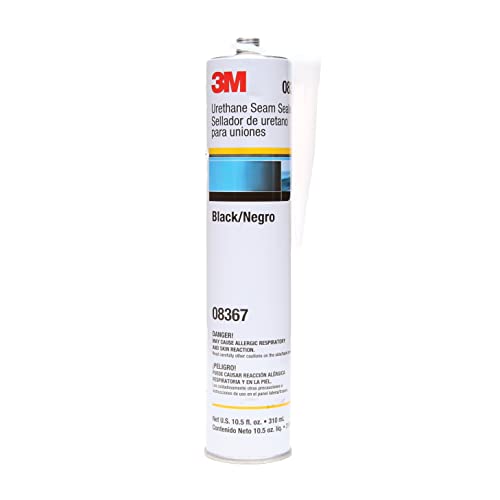
- Flexible, non-shrinking urethane formula
- Bonds to bare, primed, and painted metal
- Paintable after 30-45 minutes
Best For: Flexible metal seam sealing on restoration panels
Rock-Hard Patch Sealer
POR-15 Patch Filler and Seam Sealer

- Cures into a rock-hard permanent seal
- Resists fuels, solvents, and moisture
- Best on dry surfaces and tough patch areas
Best For: Permanent patching on dry metal and floor pan repairs
OEM-Style Black Finish
SEM 29392 Black Seam Sealer, 10.1 oz
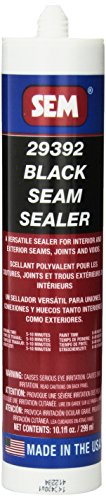
- Flexible formula that won’t shrink or crack
- Black color for visible seam areas
- Made for metal seam repair work
Best For: Visible black seams on restored metal panels
Brush-On Restorer
Barrier Bond Brushable Seam Sealer, Quart

- Brushable formula helps match OEM seams
- Flexible finish resists cracking and sagging
- Paintable in 30-60 minutes
Best For: Brush-on body seams and OEM-style restoration work
Targeted Black Sealer
Paintable Auto Body Seam Sealer

- Black polyurethane formula hides well on dark undercarriage areas.
- Paintable in 30 minutes for faster same-day refinishing.
- Adheres to bare, primed, and painted metal plus fiberglass.
Best For: Spot repairs on rocker panels, wheel wells, and floor pans
Controlled Brushable Sealer

- Brushable, non-sagging formula for neat joint sealing.
- Paintable polyurethane works on panels, windows, and doors.
- Bonds to aluminum, metal, wood, and glass.
Best For: Clean sealing on body panels, trim, and mixed-material joints
Larger-Job 2-Pack
Black 2-Pack Polyurethane Seam Sealer

- Two 10 oz cartridges suit bigger restoration jobs.
- Black color blends well on dark underbody surfaces.
- Paintable in 30 minutes and bonds to metal or fiberglass.
Best For: Full panel, floor pan, and multiple seam repairs
Fast-Cure Black Polyurethane
Paintable seam sealer for classic car restoration

- Paintable in 30 minutes
- Bonds to bare, primed, or painted metal
- Flexible, waterproof, and no-shrink
Best For: Quick restoration work on body seams and metal panels
White Polyurethane Compound
Paintable seam sealer for classic car restoration

- Paintable in 30 minutes
- Flexible bond for bare, primed, or painted metal
- Includes gloves and caulking-gun compatibility
Best For: Auto body repairs that need a white, flexible seam filler
Two-Cartridge Restoration Pack
Paintable seam sealer for classic car restoration

- Two 10 oz cartridges for larger jobs
- Paintable in 30 minutes
- Flexible, waterproof bond on metal surfaces
Best For: Full panel or floor pan restoration where extra coverage helps
Pro-Grade Flex Seal – 3M Urethane Seam Sealer, Black, 10.5 oz
For seam sealer for classic car restoration, this 3M urethane option is a practical choice when you want a black, permanent-flex product that bonds to bare metal, primed metal, and painted surfaces. Its thick paste consistency makes it useful for filling larger voids, and the moisture-curing formula is designed to hold up in heat and humidity.
Best For: Restorers who need a flexible, paintable seam sealer for metal panels and larger gaps.
Pros:
- Adheres well to bare metal, primed metal, and painted surfaces
- Non-shrinking and non-cracking for long-term flexibility
- Paintable after 30-45 minutes
- Thick consistency can fill large voids and be smoothed to a featheredge
Cons:
- Single-cartridge size may be limiting for larger projects
- Black color may not suit every seam color match
- Paste format may require careful application for clean finish work
This is a solid pick if you want a classic restoration seam sealer that stays flexible and is easy to topcoat. It leans more toward dependable panel sealing than cosmetic specialty work.
Rock-Hard Patch Sealer – POR-15 Patch Filler and Seam Sealer
POR-15 Patch Filler and Seam Sealer, Ultimate Filler Adhesive, 4 Ounces, White
Check Price On AmazonWhen shopping for seam sealer for classic car restoration, POR-15 Patch stands out if you want a product that cures into an extremely hard, permanent seal. It is designed for dry surfaces only and is described as resistant to fuels and solvents, which makes it useful for repair areas that need more than a conventional flexible seam filler.
Best For: Permanent repairs on dry metal, fuel tanks, floor pans, and other tough patch areas.
Pros:
- Dries rock hard and becomes impervious to fuels and solvents
- Won’t absorb moisture, swell, crack, or chip
- Useful on steel, wood, some plastics, and concrete
- Can help seal holes and weakened areas that need a permanent patch
Cons:
- Must be applied to dry surfaces only
- Full cure can take up to 96 hours depending on thickness
- Sanding is very difficult, so it is not ideal for cosmetic exterior work
This is better suited to structural-style patching than appearance-focused seam finishing. If the priority is a tough, lasting seal over easy sanding, it offers a very different approach from standard seam sealers.
OEM-Style Black Finish – SEM 29392 Black Seam Sealer, 10.1 oz
This seam sealer for classic car restoration is aimed at black, flexible seam work where a clean finish matters. SEM says it remains flexible without shrinking or cracking, making it a sensible option for body seams and other metal repair areas that need durable movement without loss of integrity.
Best For: Black seam sealing on metal panels where flexibility and a clean appearance matter.
Pros:
- Remains flexible without shrinking or cracking
- Black color suits visible seam areas
- Designed for use on metal surfaces
- Water-resistant paste format for body repair work
Cons:
- Not compatible with synthetic enamels
- May need bright white backing for maximum brightness if color is critical
- Limited information on paint timing in the supplied notes
If you want a straightforward black seam sealer for restoration work, this SEM product keeps the focus on flexibility and visual consistency. It is best matched to metal seam repairs rather than broad multi-material use.
Brush-On Restorer – Barrier Bond Brushable Seam Sealer, Quart
For seam sealer for classic car restoration, Barrier Bond is a good fit when you want brush application and a finish that can mimic OEM seams. It is designed for automotive joints and body repair, dries quickly, and remains flexible so repaired seams do not harden, sink, or sag over time.
Best For: Brush-applied seam sealing on body seams, lap seams, and flange seams.
Pros:
- Brushable formula helps replicate OEM seam marks
- Flexible and durable finish resists cracking, hardening, sinking, and sagging
- Paintable in 30-60 minutes
- Excellent adhesion for cracks, crevices, body seams, and joints
Cons:
- Quart can may be more product than small repair jobs need
- Gray color may not match every restoration finish
- Brush application may be less convenient than cartridge-style products for some users
This is the most restoration-focused option in the group if your goal is a brush-on seam with an OEM look. The larger quart size and quick paint window make it well suited to broader bodywork projects.
Targeted Black Sealer – Paintable Auto Body Seam Sealer
If you want a seam sealer for classic car restoration that blends into dark undercarriage areas, this black polyurethane option is built for body panel seams, weld joints, and gap filling. It cures fast enough to paint in about 30 minutes, so it fits well into same-day repair and refinishing workflows.
Best For: Spot repairs on rocker panels, wheel wells, door jambs, floor pans, and other dark or undercarriage areas where a black bead is less visible.
Pros:
- Black color helps sealant lines disappear on dark surfaces and underbody areas.
- Paintable in 30 minutes for faster priming and topcoating.
- Bonds to bare, primed, and painted metal, plus fiberglass and composites.
- Includes nitrile gloves and works with a standard caulking gun.
Cons:
- Single 10.5 oz cartridge is better for targeted work than full-car restoration.
- Black color may not be ideal if you want a seam sealer that visually disappears under light paint.
For classic car work where durability and clean appearance both matter, this is a practical pick for sealing visible joints without slowing down the restoration process.
Controlled Brushable Sealer – U-Pol Expert Seam Sealer
For seam sealer for classic car restoration jobs that need a controlled, brushable application, this U-Pol polyurethane sealant is a versatile choice. It is designed for body panels, windows, and doors, and its non-sagging formula helps keep the bead neat on interior or exterior joints.
Best For: Clean sealing and bonding on panels, trim, windows, doors, lights, and mixed-material areas where a white, paintable seam sealer is acceptable.
Pros:
- Brushable, non-sagging formula helps with controlled application.
- Paintable finish supports refinishing after sealing.
- Bonds to aluminium, metal, wood, and glass for mixed-material repairs.
- Suitable for internal and external use on a wide range of joints.
Cons:
- Not water resistant, so it may not suit areas needing waterproof sealing.
- White color may stand out more than black on darker classic-car interiors or underbody areas.
If you need a flexible seam sealer that is easy to place accurately, this one stands out for general body and trim work rather than heavy undercarriage sealing.
Larger-Job 2-Pack – Black 2-Pack Polyurethane Seam Sealer
When you need seam sealer for classic car restoration projects that cover more than one panel, this 2-pack gives you extra material in the same black polyurethane formula. It is made for sealing seams, weld joints, and gaps, with a fast paint-over time that supports efficient floor pan and bodywork repairs.
Best For: Bigger restoration jobs like full panel work, floor pan sealing, and multiple undercarriage seams where two cartridges are more practical than one.
Pros:
- Two 10 oz cartridges provide more coverage for larger repair jobs.
- Black finish blends into dark undercarriage surfaces and wheel wells.
- Paintable in 30 minutes for quicker finishing.
- Bonds to bare, primed, and painted metal, plus fiberglass and composites.
Cons:
- Still a targeted two-cartridge set, so very large restorations may need more material.
- Best suited to black or hidden areas if you want the sealant line to be less noticeable.
This package is the most practical choice if you expect to seal multiple areas on a classic car and want a bit more headroom before reordering.
Fast-Cure Black Polyurethane – Paintable seam sealer for classic car restoration
If you need a seam sealer for classic car restoration that can move fast without giving up durability, this black polyurethane formula is built for panel seams, weld joints, and gap-filling on metal bodies. It bonds to bare, primed, or painted surfaces, cures quickly, and stays flexible so restored seams can better handle vibration and weather.
Best For: Restorers who want a paintable, fast-cure seam sealer for metal panels and body seams.
Pros:
- Ready for paint in about 30 minutes
- Bonds to bare, primed, or painted metal
- Stays flexible and waterproof without shrinking
- Comes with gloves and an applicator tip
Cons:
- Single 10.5 oz cartridge may be limited for larger jobs
- Black color may not suit every restoration workflow
Overall, this is a practical choice when you want an easy-to-apply seam sealer that fits into a paint-and-finish schedule. It is especially useful for targeted repairs where quick turnaround and strong adhesion matter.
White Polyurethane Compound – Paintable seam sealer for classic car restoration
This seam sealer for classic car restoration is a white polyurethane compound made for body panel seams, weld joints, and gaps that need a durable, flexible fill. It is designed to bond to bare, primed, and painted metal, then accept primer and topcoat after about 30 minutes, making it a good fit for efficient restoration workflows.
Best For: Detailed auto body repairs where a white, paintable seam sealer is preferred.
Pros:
- Won’t shrink or crack under temperature changes and vibration
- Paintable in 30 minutes for same-day finishing
- Bonds to bare steel, primed surfaces, and painted panels
- Includes gloves and works with a standard caulking gun
Cons:
- Single 10.5 fl oz cartridge may not cover larger restorations
- White color may be less convenient if color matching is a concern
For spot repairs, door jambs, wheel wells, and similar areas, this is a straightforward restoration sealant with practical application and fast paint readiness. It gives you the flexibility you want without adding much delay to the bodywork process.
Two-Cartridge Restoration Pack – Paintable seam sealer for classic car restoration
When a seam sealer for classic car restoration needs to cover more ground, this 2-pack white polyurethane option is aimed at full panel and floor pan work. It uses the same flexible, paintable formula for seams, welds, and gaps, and it bonds to bare, primed, and painted surfaces while remaining waterproof after cure.
Best For: Larger restoration projects that need two cartridges for broader seam coverage.
Pros:
- Two 10 oz cartridges help cover bigger jobs
- Paintable in 30 minutes for faster finishing
- Bonds to bare metal, primer, and painted surfaces
- Includes gloves and standard caulking gun compatibility
Cons:
- White color may not be ideal for every restoration finish
- Still a cartridge-based product, so application is best for bead work rather than broad spreading
This 2-pack makes the most sense if you are sealing multiple seams at once or working on a larger body section. It offers more material while keeping the same practical, paint-ready behavior as the single-cartridge version.
How We Picked the Best Seam Sealer for Classic Car Restoration
For Seam Sealer for Classic Car Restoration, the most important factors are adhesion, flexibility, paintability, cure time, and compatibility with the surfaces you are repairing. We favored products that are commonly used on automotive sheet metal, body seams, and repaired joints, with formats that suit both detailed restoration work and larger coverage jobs.
We also looked for options that are less likely to shrink, crack, or stay tacky, since older vehicles often need a seal that can handle vibration, temperature swings, and imperfect factory seams.
Quick Comparison
Cartridge-style polyurethane sealers are the easiest choice for controlled bead application and clean finishing. Brushable seam sealers are better when you need to recreate factory-looking seams or cover irregular joints. Small patch-and-fill formulas work well for localized repairs, while larger quart-size products suit bigger restoration projects where coverage efficiency matters.
Key Buying Factors for Seam Sealer for Classic Car Restoration
Flexibility and Durability
Classic bodies flex more than many people expect, especially after years of repairs. A good seam sealer should remain flexible so it can move with the metal instead of cracking at the edge of the seam.
Paintability
Most restoration jobs require topcoating. Look for a seam sealer that is clearly paintable and compatible with your primer and paint system so the finished repair blends properly.
Application Method
Choose the format that matches the area you are sealing. Caulking-gun cartridges are efficient for seams and joints, while brushable products are often better for broad or uneven repairs. White and black formulas can help you match visibility and workflow preferences before paint.
Surface Prep and Cure
Even the best Seam Sealer for Classic Car Restoration will fail if the metal is not clean, dry, and properly prepped. Check whether the product requires bare metal, primed surfaces, or specific temperature conditions, and allow full cure before sanding or painting.
Who Should Buy Which Seam Sealer for Classic Car Restoration?
If you want a clean, versatile option for body seams and panel joints, choose a flexible polyurethane cartridge sealer. If you are restoring larger sections or want a more traditional factory-style application, a brushable seam sealer may be the better fit. For small rust repairs or patch areas, a compact filler-sealer can save time and material. Buyers tackling multiple vehicles or repeated repair work may prefer multipacks for better value.
In short, match the sealer to the repair, not just the brand name. The right product should give you strong adhesion, reliable flexibility, and a finish that is easy to paint and easy to trust for the long haul.