Choosing the right dust control setup can make a big difference in shop cleanliness, tool performance, and operator comfort. For sanding, grinding, and prep work, the best systems capture fine debris before it spreads through the workspace.
This roundup focuses on automotive dust extraction systems built for real-world repair and refinishing tasks, from compact portable units to higher-capacity professional extractors.
Best 10 Automotive Dust Extraction Systems Picks for 2026
Dust-Free Sanding Setup
TECHTONGDA Dust-free Automotive Car Dry Sander

- Central dust extraction connection for sanding cleanup
- Square and circular pneumatic grinding heads included
- 50L vacuum bucket with dual filtration
Best For: Automotive body sanding and dust-free prep work
Cyclone Separator Attachment
DEWALT Dust Separator DXVCS003

- 99.5% efficiency cyclone separation
- 10-gallon stainless steel tank
- Fits 1-7/8" and 2-1/2" ports
Best For: Reducing vacuum clogging in garage or shop cleanup
Compact Professional Extractor
Mirka DEXOS 1217X Dust Extractor

- M-class HEPA filtration with auto filter cleaning
- Brushless motor with adjustable 89 CFM airflow
- Bluetooth control through the myMirka app
Best For: Precision sanding with compact professional dust control
Separator Bin System
Cen-Tec Quick Click Dust Separator

- Separates dust, debris, and liquids from airflow
- 5-gallon locking bin with threaded lid
- Includes 16 ft hose and caster dolly
Best For: Flexible shop cleanup with easy-empty collection
Professional High-Capacity Extractor
Mirka DEXOS 1230X 30L M-Class HEPA Dust Extractor

- 30L tank reduces downtime
- M-class HEPA with auto filter cleaning
- Bluetooth control via myMirka app
Best For: Extended sanding sessions and high-volume dust collection
Cyclone Pre-Separator
DEWALT Dust Separator with 6 Gallon Poly Tank

- 99.5% efficiency cyclone design
- 6-gallon tank with caster base
- Fits 1-7/8" and 2-1/2" ports
Best For: Reducing clogging and protecting a shop vacuum
Ultra-Quiet Wet/Dry Extractor
Fein Turbo I 5.8-Gallon Dust Extractor
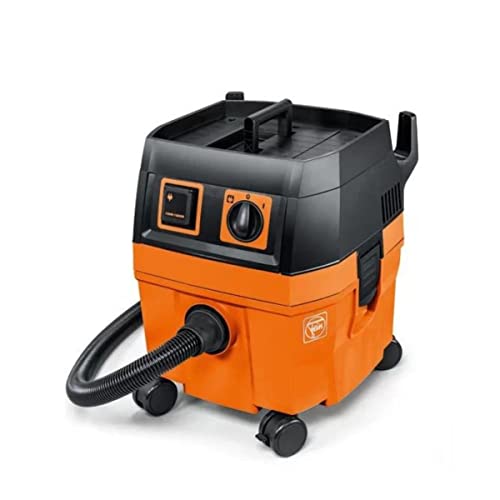
- 151 CFM suction from 1100W turbine
- Very quiet 66 dB operation
- 13 ft hose and 19 ft cord
Best For: Quieter cleanup with strong suction and long reach
Professional HEPA Dust Control
Bosch VAC140AH 14-Gallon HEPA Dust Extractor
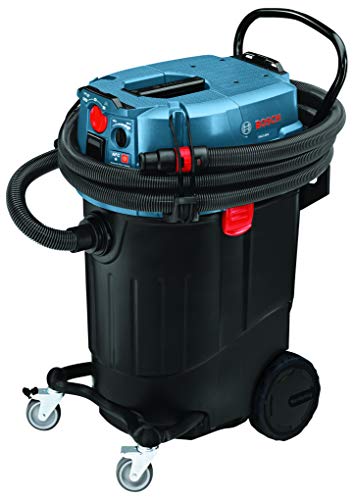
- Auto-cleaning filter helps preserve suction
- HEPA filter captures 99.97% at 0.3 microns
- 150 CFM with tool-activation support
Best For: shops needing high-suction HEPA dust extraction
Compact Bluetooth Extractor
Festool CT MIDI I HEPA Dust Extractor

- Compact chassis is easy to move
- Bluetooth remote start/stop adds convenience
- HEPA filter with manual cleaning support
Best For: mobile users needing compact HEPA dust control
Portable HEPA Workshop Pickup
Festool CT 15 HEPA Dust Extractor

- HEPA filtration with adjustable high-performance turbine
- 15L container supports longer cleanup sessions
- Includes crevice and upholstery cleaning tools
Best For: detail work and compact workshop cleanup
Dust-Free Sanding Setup – TECHTONGDA Dust-free Automotive Car Dry Sander
If you need automotive dust extraction systems that focus on sanding cleanup, this TECHTONGDA unit is built around dust-free car body work. It connects to central dust extraction, uses dual pneumatic grinding heads, and adds a 50L vacuum bucket with dual filtration to help keep visibility high while you work.
Best For: Automotive body sanding where dust control, mobility, and dual-head versatility matter.
Pros:
- Connects to central dust extraction for instant debris capture during sanding.
- Includes both square and circular pneumatic grinding heads for different surfaces.
- Uses a 50L PTFE waterproof filter bucket plus 20L double-barrel composite dust bags.
- Dual airflow separation design helps keep dust out of the motor compartment.
Cons:
- Designed for corded operation rather than portable battery use.
- Built specifically around sanding workflows, not general shop cleanup.
The added storage rack and wheels make this a practical shop tool if you want an integrated sanding-and-extraction setup. It is most compelling for bodywork users who value controlled sanding and tidy dust capture in one machine.
Cyclone Separator Attachment – DEWALT Dust Separator DXVCS003
For automotive dust extraction systems that need to protect a vacuum from heavy debris, this DEWALT separator works as a cyclone-style add-on. It captures dust, chips, and other debris before they reach the vacuum, which can help reduce clogged filters and keep suction steadier in garage or shop use.
Best For: Shops and garages that want a portable separator attachment to reduce vacuum clogging.
Pros:
- 99.5% efficiency cyclone design helps capture debris before it enters the vacuum.
- 10-gallon stainless steel tank is durable and easy to empty.
- Compatible with 1-7/8″ or 2-1/2″ ports for broad vacuum fit.
- Four-caster base improves mobility around the workspace.
Cons:
- Vacuum cleaner is not included.
- Best suited as an attachment, not a standalone dust extractor.
This is a sensible choice if your priority is separating material before it reaches the vacuum and extending filter life. It is especially useful in mixed-material cleanup where easy emptying and wide compatibility are important.
Compact Professional Extractor – Mirka DEXOS 1217X Dust Extractor
Among automotive dust extraction systems, this Mirka extractor stands out for sanding-focused professional use. It pairs a compact 17L body with M-class HEPA filtration, auto filter cleaning, and smart airflow control, making it a strong fit for controlled dust management during precision sanding.
Best For: Professional sanding setups that need compact mobility and high-grade filtration.
Pros:
- M-class HEPA filtration with automatic filter cleaning supports consistent dust control.
- Brushless motor delivers up to 89 CFM with adjustable airflow.
- Includes a 13 ft anti-static hose designed for Mirka sanding tools.
- Bluetooth app control lets you adjust suction and cleaning intervals.
Cons:
- Tools are sold separately, so it is best as part of a Mirka sanding setup.
- 17L capacity is compact rather than high-volume.
This extractor is built for users who want a more refined sanding system rather than a general-purpose shop vacuum. Its compact size and connected controls make it especially attractive for mobile professionals who need reliable filtration and airflow management.
Separator Bin System – Cen-Tec Quick Click Dust Separator
If you are comparing automotive dust extraction systems for shop cleanup, this Cen-Tec setup is a practical separator-and-bin package. It is designed to separate dust, debris, and liquids from airflow, then collect the material in a locking bin that is easier to empty than a typical pry-lid container.
Best For: Users who want a separator with a locking recovery bin and long hose setup.
Pros:
- Separates dust, debris, and liquids before material reaches the vacuum.
- Includes a heavy-duty threaded lid on the 5-gallon locking bin.
- Comes with a 16 ft hose and power tool adapter set for broad compatibility.
- Dolly-mounted design supports smooth movement in a garage or workshop.
Cons:
- Bin capacity is smaller than larger shop collection systems.
- Best used as a recovery and separation system, not a full extractor.
This is a strong option if you want a flexible separator package that is easy to move and empty. The included adapter set and long hose make it well suited to mixed tool setups where convenience and basic dust control are the main priorities.
Professional High-Capacity Extractor – Mirka DEXOS 1230X 30L M-Class HEPA Dust Extractor
For automotive dust extraction systems, the Mirka DEXOS 1230X is built for long sanding sessions where airflow, filtration, and downtime all matter. Its 30L container, M-class HEPA filtration, and automatic filter cleaning make it a strong fit for demanding shop work that generates a lot of dust.
Best For: Professional sanding jobs that need high-capacity extraction and consistent suction.
Pros:
- 30-liter capacity helps reduce emptying stops during extended work.
- M-class HEPA filtration with automatic filter cleaning supports steady airflow.
- Brushless motor is designed for sustained performance under load.
- Bluetooth control via the myMirka app adds airflow and cleaning-interval adjustments.
Cons:
- Sold as a corded extractor, so mobility depends on outlet access.
- Heavier and larger than compact dust extractors.
- Best suited to users already working with compatible Mirka tools or similar setups.
This model stands out when you need a serious extraction unit for ongoing shop use rather than a lightweight cleanup vacuum. It is especially relevant if you want a system that can keep up with continuous sanding and dust-heavy automotive tasks.
Cyclone Pre-Separator – DEWALT Dust Separator with 6 Gallon Poly Tank
Among automotive dust extraction systems, this DEWALT dust separator is aimed at users who want to protect their vacuum from clogging before dust and debris reach the filter. The cyclone design captures material first, which can help maintain suction and reduce filter and bag replacement costs.
Best For: Shops and garages that need a pre-separator for heavy debris and mixed dust.
Pros:
- 99.5% efficiency cyclone separation helps keep debris out of the vacuum.
- 6-gallon poly tank is easy to empty and sized for workshop use.
- Stable four-caster base makes it easier to move around the shop.
- Fits most vacuums with 1-7/8" or 2-1/2" ports.
Cons:
- Vacuum cleaner is not included.
- Bulkier than a simple hose attachment or small canister setup.
- Designed as a separator, so it is only one part of a full dust extraction system.
This is a practical choice if your priority is separating dust and chips before they reach the main vacuum. It makes the most sense for users who want to extend filter life and keep cleanup more efficient in a busy workspace.
Ultra-Quiet Wet/Dry Extractor – Fein Turbo I 5.8-Gallon Dust Extractor
For automotive dust extraction systems where noise and reach matter, the Fein Turbo I offers a quiet 66 dB operating level with strong suction and long hose-and-cord coverage. It is built for wet/dry cleanup and tool-activated use, making it a versatile fit for garage and workshop tasks.
Best For: Users who want strong suction in a quieter extractor for garage, shop, or indoor cleanup.
Pros:
- 1100W turbine delivers 151 CFM and 98 inches of water lift.
- Runs at just 66 dB, which is unusually quiet for its class.
- 13 ft hose and 19 ft cord provide generous working reach.
- Autostart outlet with power-on delay supports tool-synced operation.
Cons:
- 5.8-gallon capacity is smaller than larger-capacity extractors.
- Best suited to general cleanup rather than very high-volume dust collection.
- Anti-static setup may require optional accessories to fully use.
This model is a strong pick if you want a quieter dust extractor that still brings serious airflow and practical reach. It balances performance and convenience well for everyday automotive and workshop use.
Professional HEPA Dust Control – Bosch VAC140AH 14-Gallon HEPA Dust Extractor
Bosch VAC140AH Portable 14 Gallon Dust Extractor with Auto Filter Clean and HEPA Filter
Check Price On AmazonIf you need one of the more capable automotive dust extraction systems for shop cleanup and power-tool work, the Bosch VAC140AH is built around steady suction and filtration. Its automatic filter cleaning every 15 seconds helps keep airflow up, while the HEPA filter and fleece bag support cleaner containment of dry dust and debris. The tool-activated power and suction adjustment also make it easier to match performance to the job.
Best For: Shops and pros that want a HEPA-rated extractor with automatic filter cleaning and strong airflow.
Pros:
- Automatic filter cleaning every 15 seconds helps maintain suction.
- HEPA filtration captures 99.97% of particles at 0.3 microns or larger.
- Power tool activation supports hands-free vacuum control.
- 150 CFM airflow and 97.3-inch maximum suction suit demanding cleanup tasks.
Cons:
- At 38 pounds, it is not the lightest option to move around.
- Best suited to indoor, hard-floor dust extraction rather than general all-purpose cleaning.
Overall, the VAC140AH is a strong fit when filtration and sustained suction matter more than compact size. For users aiming toward OSHA Silica Table 1 dust compliance, its Bosch PRO+GUARD setup is a practical advantage.
Compact Bluetooth Extractor – Festool CT MIDI I HEPA Dust Extractor
Among automotive dust extraction systems, the Festool CT MIDI I is aimed at users who want portability without giving up filtration or convenient control. Its compact, low-weight chassis is easy to move, and the integrated Bluetooth technology lets you start and stop the extractor remotely. The HEPA filter, automatic tool start, and manual filter cleaning feature are designed to keep suction consistent during work.
Best For: Mobile users who want a compact HEPA extractor with remote control and tool-start convenience.
Pros:
- Compact dimensions and low weight make it easy to move.
- Integrated Bluetooth allows remote start and stop.
- HEPA filter and manual filter cleaning help maintain performance.
- Automatic tool start adds convenience for tool-connected dust pickup.
Cons:
- The included runtime is listed at 30 minutes.
- Its 3.5 m hose may feel limiting in larger work areas.
The CT MIDI I is a practical choice when you want a mobile extractor that is easy to live with day to day. It balances convenience features with serious dust control, especially for users already working inside the Festool ecosystem.
Portable HEPA Workshop Pickup – Festool CT 15 HEPA Dust Extractor
The Festool CT 15 is a compact option in automotive dust extraction systems for users who want HEPA filtration and straightforward tool support in a small package. It uses an adjustable high-performance turbine and HEPA filtration, while the 15L container gives you enough capacity for uninterrupted cleanup. Festool also includes crevice and upholstery cleaning accessories, which adds flexibility for interior and detail work.
Best For: Detail work, small shops, and users who want a compact HEPA extractor with included cleaning tools.
Pros:
- HEPA filtration and adjustable turbine support effective dust pickup.
- 15L capacity helps reduce interruptions during cleanup.
- Crevice and upholstery tools are included and stored onboard.
- Compact, stable chassis with steel axles is built for portability and durability.
Cons:
- It is a smaller-capacity extractor than larger shop units.
- Designed around general cleanup and detail work rather than maximum-duty extraction.
For users who value a tidy footprint and useful included accessories, the CT 15 makes a lot of sense. It is the most straightforward pick here for light-to-medium dust extraction where mobility and storage matter.
How We Picked These Automotive Dust Extraction Systems
We looked for models that balance filtration quality, suction performance, capacity, and day-to-day usability in automotive shops. Priority went to units with HEPA or M-class filtration, effective auto-clean or filter-cleaning features, and designs suited to sanding and dust-heavy prep work.
We also considered portability, hose and cord reach, noise level, anti-static protection, and whether the system is better suited to a small repair bay or a larger collision-refinish environment.
Quick Comparison
Smaller extractors are usually easier to move between work areas and fit well in tight shops. Larger-capacity units are better when you need longer runtime, less frequent emptying, and more consistent dust capture during extended sanding sessions. Cyclone-style separators can be a smart choice when you want to protect a vacuum from heavy debris, while full dust extractors are the better fit when filtration and fine-particle control matter most.
Key Buying Factors for Automotive Dust Extraction Systems
Filtration and Dust Class
For automotive sanding dust, filtration should be a top priority. HEPA and M-class systems are especially important when dealing with fine particles from body filler, primer, and paint prep.
Suction and Airflow
More airflow helps keep sanding dust moving into the collector instead of settling on panels and floors. Match suction to the tools you use most, especially dual-action sanders and other high-dust accessories.
Capacity and Runtime
A larger tank or bin means fewer interruptions. Smaller systems are easier to store and transport, but they may need more frequent emptying during heavy use.
Auto-Clean and Maintenance
Auto filter cleaning can reduce clogging and help maintain suction over time. That matters in shops where fine dust builds up quickly.
Portability and Noise
If you move between bays or work in shared spaces, weight, caster systems, hose length, and quieter operation can be just as important as raw power.
Who Should Buy Which Automotive Dust Extraction Systems?
Choose a compact extractor if you need a mobile option for occasional sanding or tight workspaces. Go with a higher-capacity professional unit if you handle frequent prep work, want steadier performance, or need cleaner air control across longer jobs. If your setup already has a strong vacuum, a dust separator may be enough; if dust control is a core part of your workflow, a dedicated extractor is usually the better long-term choice.
In short, the best Automotive Dust Extraction Systems are the ones that match your dust load, tool setup, and shop size without adding unnecessary maintenance or bulk.