Choosing the right laser rust removal machine for automotive use can make a big difference in restoration speed, finish quality, and shop efficiency. The best models balance enough power to strip rust, paint, and oxide layers without damaging surrounding metal.
Below, we focus on the features that matter most for automotive work, from handheld control to scan width and cooling style, so you can choose a machine that fits your workflow and budget.
Best 10 Laser Rust Removal Machines for Automotive Use Picks for 2026
IoT Wide-Scan Performer
2000W IoT Laser Rust Remover for Auto Parts

- 2000W power with 10-300mm scanning width
- IoT remote monitoring and parameter control
- Water-cooled design with 7-inch touch screen
Best For: Automotive shops needing wide, efficient metal rust removal
Double Wobble Coverage

- 300 x 300mm double wobble cleaning area
- 10 graphic modes for different metal tasks
- Water-cooled for 24-hour continuous operation
Best For: Automotive metal cleaning jobs needing wide coverage and mode flexibility
Portable Air-Cooled Option
300W Handheld Pulse Rust Remover
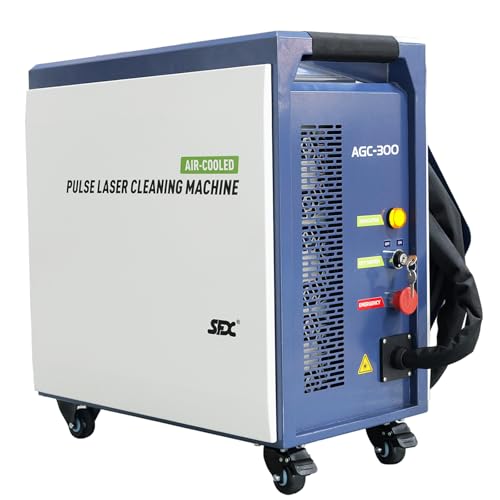
- Air-cooled handheld design for easier transport
- 190mm double-wobble cleaning width
- No water, chemicals, or consumables needed
Best For: Mobile automotive cleaning and smaller rust-removal jobs
Single Wobble Wide-Scan
2000W 300mm Metal Rust Remover

- 2000W unit with 300mm cleaning width
- Single wobble design for straightforward operation
- Built for metal rust, paint, and coating removal
Best For: Users wanting a simple wide-pass cleaner for automotive metal work
Double-Wobble Precision Cleaner
1200W Handheld Fiber Laser Rust/Paint Remover

- 1200W fiber laser for fast rust, paint, oil, and oxide removal
- 10 cleaning modes with 30mm width for varied automotive jobs
- Includes goggles, emergency stop, and overheating protection
Best For: Automotive repair shops and garages needing a versatile handheld cleaner
High-Power Wide-Scan Cleaner
2000W Laser Rust Removal Machine

- 2000W CW fiber laser with up to 200 mm scan width
- Independent chiller supports all-day continuous cleaning
- Real-time shielding gas monitoring helps protect the system
Best For: Shops handling large automotive or metal-surface cleaning jobs
Lightweight Air-Cooled Option

- Air-cooled, compact, and lower-maintenance design
- 52 kg one-piece unit with 0.15m3 footprint
- Works on rust, coatings, paint, oil stains, and dirt
Best For: Smaller repair teams wanting a lighter cleaner for routine tasks
Heavy-Duty Continuous Cleaner
Triumph 2000W Handheld Fiber Laser
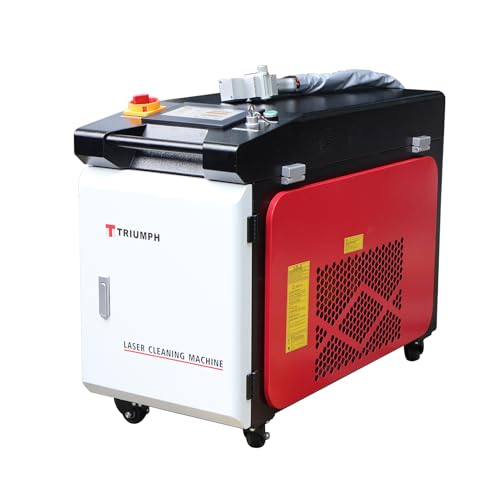
- 2000W continuous laser for high-speed cleaning
- 300mm max scan width for larger metal parts
- No-contact cleaning with two-year warranty
Best For: Automotive shops needing a high-power continuous cleaner
Precision Wobble Mode Pick
Double Wobble 2000W Laser Cleaner

- Double wobble head with 10 cleaning modes
- Raycus laser source for stable output
- Temperature alarm adds lens protection
Best For: Users needing adjustable cleaning modes and protection features
Value Continuous Cleaner
Triumph 1500W Handheld Fiber Laser

- 1500W continuous laser for metal cleaning
- Light handheld gun for flexible use
- No-contact cleaning with tutorials included
Best For: Automotive users wanting a lower-power continuous cleaner
IoT Wide-Scan Performer – 2000W IoT Laser Rust Remover for Auto Parts
If you need a laser rust removal machine for automotive use that can cover larger surfaces efficiently, this 2000W model is built for high-output cleaning on metal parts, paint, oil, and corrosion. The 10-300mm scan width and 7-inch touch screen make it practical for workshop workflows where speed, repeatability, and remote monitoring matter.
Best For: Shops handling classic car rust repair, auto parts cleaning, and other large metal surfaces that benefit from wide coverage.
Pros:
- 2000W output with a wide 10-300mm scanning range for faster coverage.
- IoT smart technology supports remote parameter adjustment and real-time machine monitoring.
- Water cooling is designed for heavy-duty operation and consistent performance.
- Includes a 7-inch touch screen and red-light positioning for easier operation.
Cons:
- Very large and heavy at 260 lbs net weight, so it is not a portable shop tool.
- Requires AC220V power and water cooling, which adds setup complexity.
- Not designed for wood cleaning.
This is a strong fit if your priority is wide-area metal cleaning with smart control features and U.S.-based support. It looks especially useful for automotive environments where rust removal and coating stripping need to be both fast and precise.
Double Wobble Coverage – 2000W 300x300mm Laser Cleaner
For automotive work that involves large panels, brackets, or batch metal cleaning, this laser rust removal machine for automotive use emphasizes coverage and flexibility. Its 300 x 300mm double wobble scan area and 10 cleaning modes are geared toward fast metal surface preparation, rust removal, and coating cleanup.
Best For: Shops that need broad, repeatable cleaning on metal parts and want multiple cleaning patterns for different jobs.
Pros:
- Extra-large 300 x 300mm cleaning area improves throughput on larger parts.
- 10 graphic cleaning modes offer flexibility for different metal cleaning tasks.
- Water cooling supports 24-hour continuous operation.
- Built-in monitoring helps track gas pressure and temperature for safer use.
Cons:
- Requires a gas connection during use, which adds another setup requirement.
- Best suited to metal surfaces, so it is not a general-purpose cleaner.
- Large industrial format may be more machine than small repair bays need.
This model stands out when your work is throughput-driven and you want a broad cleaning field with multiple modes. It is a practical choice for metal-focused automotive applications where long-duty operation and consistent results matter.
Portable Air-Cooled Option – 300W Handheld Pulse Rust Remover
If you want a more compact laser rust removal machine for automotive use, this 300W handheld pulse cleaner is aimed at rust, paint, coatings, and oil stains without needing water or chemical reagents. Its air-cooled design and lighter frame make it easier to move around a shop or service bay.
Best For: Mobile repair work, smaller automotive maintenance tasks, and shops that value portability over maximum power.
Pros:
- Air-cooled and compact, weighing 67 kg for easier transport.
- Double-wobble cleaning head provides a 190mm cleaning width.
- Non-contact cleaning avoids water, chemicals, and consumables.
- Supports up to 8 hours of continuous operation.
Cons:
- 300W pulse power is lower than the 2000W industrial units in this roundup.
- Less suited to very large-area cleaning than wider 300mm systems.
- Not designed for wood cleaning.
This is the most portable option here, so it makes sense when you need a cleaner that can move between jobs and still handle common automotive rust and paint removal tasks. It favors convenience and flexibility over raw coverage.
Single Wobble Wide-Scan – 2000W 300mm Metal Rust Remover
For buyers comparing laser rust removal machines for automotive use, this 2000W unit focuses on a simple wide-cleaning setup for metal surfaces. Its 300mm cleaning width is the headline feature, making it a straightforward choice for shops that want larger coverage without extra feature complexity.
Best For: Automotive and industrial users who want a wide cleaning pass for metal rust, paint, oil, and coating removal.
Pros:
- 300mm ultra-wide cleaning width helps cover more surface in less time.
- 2000W output is suited to demanding metal cleaning work.
- Single wobble design keeps the machine straightforward.
- Built specifically for metal surfaces and coating removal tasks.
Cons:
- Single wobble offers less pattern flexibility than double wobble models.
- Fewer listed features than some of the other 2000W units.
- Heavy at 242.5 lbs, so it is not meant for frequent moving.
This is a practical pick if your priority is simply getting a broad cleaning path on metal with a high-power system. It should work well for automotive rust and paint removal where you want width and power more than extra operating modes.
Double-Wobble Precision Cleaner – 1200W Handheld Fiber Laser Rust/Paint Remover
If you need laser rust removal machines for automotive use, this 1200W handheld fiber unit is built for fast spot cleaning on chassis parts, repair jobs, and other metal surfaces where you want no harsh chemicals and no substrate damage. Its double-wobble scanning and 10 cleaning modes make it easier to match the pattern to the task, whether you are removing rust, paint, oil, or oxide layers.
Best For: Automotive repair shops and garages that want a flexible handheld cleaner for parts, chassis work, and narrow-space cleaning.
Pros:
- 1200W continuous fiber laser removes rust, paint, oil, and oxide layers in seconds
- 30mm cleaning width plus 10 graphic cleaning modes for different jobs
- 10 meter handheld fiber optic cable helps reach tight or distant areas
- Includes goggles, emergency brake button, and overheating protection
Cons:
- 220V power requirement limits plug-and-play flexibility
- At 176 pounds, it is not a lightweight portable tool
- More machine than a casual DIY user is likely to need
This model stands out if you want a tougher industrial-style cleaner that can handle automotive parts and workshop use while still offering pattern control and built-in protection features. It is best suited to users who need speed, versatility, and long-term operation rather than a compact entry-level unit.
High-Power Wide-Scan Cleaner – 2000W Laser Rust Removal Machine
For buyers comparing laser rust removal machines for automotive use, this 2000W cleaner is aimed at bigger jobs where wide coverage and nonstop operation matter. The 200 mm scanning width, non-contact cleaning, and dual vibrating lens design make it a strong fit for removing rust, oil, and paint from larger metal areas in a workshop or service environment.
Best For: Shops that need a high-power laser cleaner for large automotive or metal-surface cleaning jobs.
Pros:
- Powerful 2000W CW fiber laser for large-area rust and paint removal
- Up to 200 mm scanning width helps cover broad surfaces faster
- Built-in independent chiller supports all-day continuous work
- Real-time shielding gas pressure monitoring adds system protection
Cons:
- Large, high-power setup is geared more toward shop use than small jobs
- Requires shielding gas management during operation
- Likely more machine than occasional users need
This model is the most aggressive option in the set for speed and coverage, especially when surface area matters more than portability. If your workflow involves frequent rust and paint removal on larger automotive parts, the wide scan and cooling setup are its biggest strengths.
Lightweight Air-Cooled Option – 300W Pulsed Laser Cleaner
If you want laser rust removal machines for automotive use in a smaller, easier-to-manage package, this 300W air-cooled pulsed cleaner focuses on simplicity and lower maintenance. It is designed to remove rust, coatings, paint, oil stains, and dirt from metal surfaces without consumables, while staying compact enough for lighter workshop setups.
Best For: Smaller repair operations and maintenance teams that want a lightweight laser cleaner for routine automotive and metal cleaning.
Pros:
- Lightweight 52 kg, one-piece design with a small 0.15m3 footprint
- Air-cooled structure keeps maintenance simpler and operating costs lower
- Wide voltage input and simple software make setup easier
- Suitable for automotive repair, marine, rail, electronics, and aerospace work
Cons:
- 300W output is less powerful than the higher-wattage machines here
- 5m cable is shorter than some industrial handheld setups
- Better for lighter-duty cleaning than heavy rust stripping
This is the most compact and maintenance-friendly pick in the group, which makes it appealing if you value easier operation over maximum power. It fits shops that want a practical cleaner for routine surface prep and smaller automotive tasks.
Heavy-Duty Continuous Cleaner – Triumph 2000W Handheld Fiber Laser
If you’re comparing laser rust removal machines for automotive use, this 2000W Triumph model is aimed at shops that want fast, non-contact cleaning for rust, paint, oil, dirt, stains, and coatings on metal. Its handheld fiber design, 300mm max scan width, and continuous operation make it a practical fit for larger automotive parts and busy prep work.
Best For: Automotive and metalworking users who need a high-power handheld laser cleaner for continuous rust and coating removal.
Pros:
- 2000W continuous laser source for high cleaning speed
- Handheld cleaning gun is light and flexible for irregular parts
- No-contact cleaning helps avoid damage to the base material
- Includes manual, videos, tutorials, and two-year warranty
Cons:
- Requires AC220V single-phase power
- May be more machine than small occasional jobs need
- Only the listed industrial use cases are described, not portable battery operation
Overall, this is the strongest option here if you want a more powerful laser rust removal machine for automotive use and expect to clean large or awkward metal parts regularly. The stability, no-consumable design, and upgraded cleaning head suggest a machine built for sustained shop work.
Precision Wobble Mode Pick – Double Wobble 2000W Laser Cleaner
For buyers shopping for laser rust removal machines for automotive use, this 2000W handheld cleaner stands out for its double-wobble head and 10 cleaning modes. It is built for rust, paint, oil, dirt, stains, and oxide removal on metal, with the brand highlighting stable laser output and real-time temperature monitoring.
Best For: Automotive and metal cleaning users who want adjustable cleaning patterns and added temperature protection.
Pros:
- Double wobble system with 10 graphic cleaning modes
- Raycus laser source advertised for longer lifespan and lower energy use
- Temperature alarm helps protect the cleaning head and lens
- Listed as suitable for automobiles, molds, aerospace, and steel materials
Cons:
- Requires 220V single-phase power
- More advanced feature set may be unnecessary for simple rust removal
- Product details are centered on industrial use, not compact hobby use
This model is appealing if you want more control over cleaning patterns than a basic handheld laser cleaner offers. The wobble modes and temperature protection are especially useful in shop settings where repeatability and equipment protection matter.
Value Continuous Cleaner – Triumph 1500W Handheld Fiber Laser
If you want laser rust removal machines for automotive use but don’t need the full output of a 2000W unit, this 1500W Triumph cleaner is the lighter-duty alternative in the lineup. It still offers continuous handheld fiber-laser cleaning for rust, paint, oil, dirt, stains, and coatings on metal, plus the same no-contact approach and 300mm max scan width.
Best For: Automotive users who want a lower-power continuous laser cleaner for regular metal prep and rust removal.
Pros:
- 1500W continuous laser source for metal cleaning tasks
- Light, flexible cleaning gun for irregular surfaces
- No-contact cleaning helps protect the base material
- Includes tutorials and two-year warranty
Cons:
- Lower power than the 2000W versions
- Requires AC220V single-phase power
- Best suited to the listed industrial applications rather than casual use
This is the more restrained choice if your shop wants the same basic Triumph cleaning concept with less power draw than the top-end model. It should fit users who prioritize practical rust and coating removal over maximum throughput.
How We Picked These Laser Rust Removal Machines for Automotive Use
We prioritized automotive-friendly factors such as rust-removal efficiency, control on body panels and chassis parts, scan width, cooling method, portability, and cleaning mode flexibility. For shop and restoration use, consistency matters as much as raw power, so we favored machines that can handle common materials found on vehicles without unnecessary complexity.
Quick Comparison
High-power 1500W and 2000W units are generally better for heavy rust, frame parts, and larger restoration jobs, while 300W and similar compact pulsed machines are better suited to detail work, spot cleaning, and tighter access areas. Wider scan areas can improve throughput, but smaller spot sizes often provide better precision on edges, seams, and delicate panels.
Key Buying Factors for Laser Rust Removal Machines for Automotive Use
Power and Cleaning Speed
More wattage usually means faster removal on thick rust, paint, and contamination. For automotive use, that often translates to better performance on underbodies, brackets, and fabricated steel parts. Lower-power machines can still be valuable when precision or surface control matters more than speed.
Portability and Access
Handheld units are easier to move around a shop, reach odd angles, and work on installed parts. If you plan to clean body shells, suspension components, or engine bay hardware, weight and ergonomics matter almost as much as output.
Cooling and Duty Considerations
Air-cooled models can be appealing for smaller setups because they reduce support equipment and simplify mobility. Higher-power systems may require more attention to operating environment and continuous use expectations, especially in busy shops.
Scan Width and Control
Wider scan widths help cover large panels and frames faster, but precision settings are important for seams, welds, and mixed-surface areas. Multiple cleaning modes or adjustable wobble patterns can help adapt the beam to different automotive tasks.
Surface Compatibility
Look for machines that clearly support rust, paint, oil, dirt, stains, and oxide removal on metals. Automotive projects often involve multiple contaminant types, so versatility can reduce the need for separate tools.
Who Should Buy Which Laser Rust Removal Machines for Automotive Use?
If you handle heavy restoration or production-style prep, a 1500W or 2000W machine is usually the best fit. If you need mobility, simpler setup, and lighter-duty cleaning, a 300W air-cooled option may make more sense. For mixed-use shops, a mid-power handheld unit with adjustable cleaning modes offers the best balance of flexibility and control.
In short, the best choice depends on whether your priority is speed, precision, portability, or versatility. Matching the machine to your most common automotive tasks will deliver better results than choosing power alone.